
My Dog Needed a Full Dental Under Anesthesia (Here's the Routine That Kept Her Out of the OR)
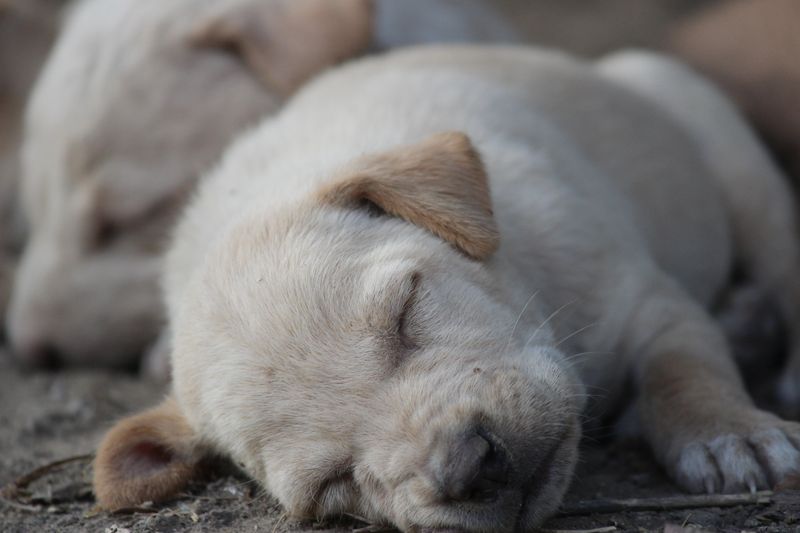
The estimate for the dental cleaning landed harder than the diagnosis. My nine-year-old beagle mix, Hazel, had been dropping food on one side of her mouth and had breath that could clear a room, and when I finally had it looked at, the vet found tartar everywhere and a couple of pockets along the gumline that needed attention. Because of the pockets, it was not a quick scrape, it was a full cleaning under anesthesia, with X-rays, scale and polish, and the real possibility of extractions. The bill was several hundred dollars and the anesthesia carried its own risk for a dog her age. I paid it because I had to. Then I asked the question I should have asked years earlier: how do I keep from doing this again?
The answer the vet gave me was unglamorous. Almost all of this is preventable with a couple of minutes of home care a day. The problem is that nobody had ever shown me how to do it in a way that a dog would actually tolerate, so I had let it slide for years and paid for that in cash and in risk to my dog.
Why This Happens
Dog teeth work a lot like ours, with one big difference: they do not get cavities nearly as often, but they get gum disease far more. A film of plaque forms on the teeth within a day or two of eating, and if it is not disrupted, it hardens into tartar within about three days. Tartar is the rough, yellow-brown stuff you can see, and once it is there, brushing alone does not remove it, only a professional scaling will. But the visible tartar is not even the dangerous part. The real problem is what happens under the gumline, where the same bacteria cause inflammation that quietly eats away at the bone holding the teeth in.
That is why periodontal disease is so frustrating. Because it happens out of sight, you do not notice it until it is advanced, and by then the dog has been in low-grade pain for a long time without showing it. Dogs evolved to hide discomfort, showing weakness in the wild is dangerous, so a dog with sore gums will often keep eating and acting fine, dropping food or chewing on one side only once it gets bad. I mistook Hazel's normal appetite for a healthy mouth for years.
On top of that, chewing is instinctive and dogs chew to relieve the pressure of plaque building up. Left to their own devices, they chew whatever is available, which is how you get destroyed shoes and chewed furniture. If you give them something appropriate to chew and also brush their teeth, you cover both the mechanical scrubbing and the daily disruption of plaque, which together is what actually keeps a mouth clean between professional cleanings.
What I Tried First — and Why It Didn't Work
For years my only strategy was dental treats from the store. I bought whatever was on sale, convinced that any "dental" product was doing the job. Most of them are just soft chew candy shaped like a brush. They taste good, but the ones Hazel would actually eat softened almost instantly and did nothing to disrupt plaque, she swallowed them before they scrubbed anything.
I also tried raw bones, which some people swear by. They do provide real mechanical cleaning, but they also risk cracking teeth in a dog with already-weakened enamel, and I was not going to gamble on a fracture so soon after paying to save her teeth. I stopped after reading too many accounts of fractured molars from exactly this.
The third thing I tried was toothbrushing, twice, and I quit both times within a week. I bought a regular long-handled toothbrush and tried to brush a beagle who viewed the whole thing as an ambush. She clamped her jaw, I got frustrated, and I gave up. The brush was the wrong tool for her mouth and the wrong approach for her temperament.
What Actually Worked
The first thing that actually helped was getting the toothbrush right. I switched to a finger toothbrush (one of those little silicone caps you wear over your index finger, and it changed both the mechanics and Hazel's reaction. Instead of wrestling a long stick into her mouth from the side, my finger just slips along her teeth and gums where they meet, and I can feel the tartar buildup and the gumline directly instead of guessing. The )Jasper 360° Finger Toothbrush is the one I settled on: the silicone is soft enough that I am not scraping her gums, and the 360-degree design means I can brush the outside of the teeth as I slide my finger back and forth, up top and below without turning it around. I started with just a few seconds, praised, let her lick a dab of dog toothpaste off my finger, and built up over a couple of weeks until a full brush took under a minute. Now it is a nightly ritual she tolerates, and honestly mostly enjoys because of the toothpaste. I keep a spare in the drawer because these things get lost, which is why the multi-packs are worth it.
The second piece was giving her something appropriate to chew every day, because brushing once does not cover the whole day. I rotated through a set of chew toys, and the Beiker 20-pack of puppy chew toys turned out to be perfect for a dog her size, a variety of textures and shapes meant she had something new to gnaw every day, which satisfied the chewing drive and gave her teeth mechanical cleaning between brushings. I also added a firm rubber chew ball for when she wanted a serious gnaw, which hit the back teeth that a finger brush misses. Between a nightly finger-brush and a good daily chew, her mouth has stayed clean enough that her last checkup needed no anesthesia at all.
Dog Dental Chews for Plaque & Tartar
The tool that finally made brushing stick, my finger reaches the gumline directly, and it is soft enough that Hazel stops fighting it.
Check price on Amazon360° Finger Toothbrush for Dogs
Daily mechanical cleaning between brushings, a variety of textures so she always has something new to gnaw.
Check price on AmazonWhat I'd Tell Someone Starting Today
Start brushing when your dog is young and treat it as a one-minute nightly habit, not a chore you do "when you have time." Use a finger brush so you can feel the gumline, use dog-safe toothpaste, and go slow enough that your dog never learns to dread it. Give a daily chew toy so the teeth get cleaned the rest of the day, and skip the things that can crack a tooth. Watch for the warning signs, bad breath, dropping food, chewing on one side, drooling, or reluctance to eat hard food, and take them seriously, because by the time you can see the problem, there is usually a lot happening under the gum.
Once a year, have a vet look at the mouth, and accept that some professional cleaning is normal. But the difference between a rough cleaning every year and a full anesthesia dental with extractions is mostly a fingertip and a minute a day. I wish I had known that before I paid for the hard lesson.
This post may contain affiliate links. If you buy through one of them, we earn a small commission at no extra cost to you.