
Bath Time Turned My Dog Into a Shaking Mess — The Lick Mat Fixed Grooming
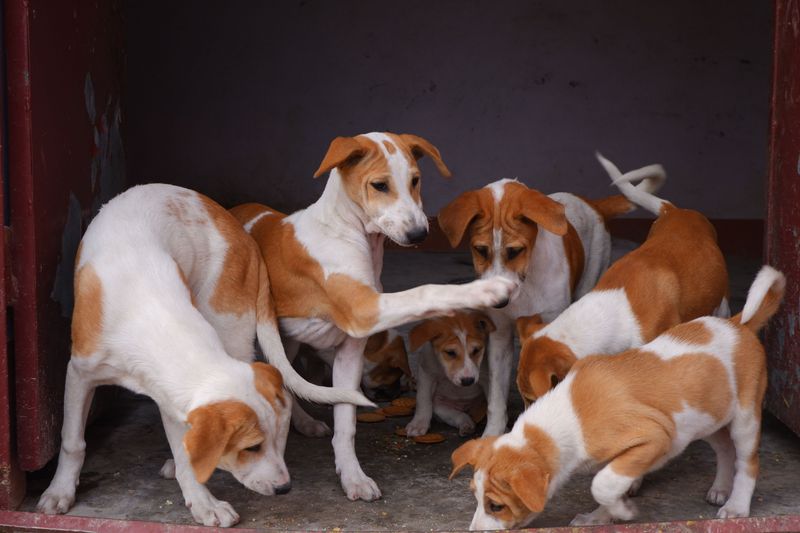
The first time I bathed my rescue beagle, Wally, I genuinely thought I was hurting him. He trembled from the second the water hit his back, tried to climb the wall of the tub, and gave me the wide scared eyes that rescue dogs give when they think something bad is about to happen. By the time I got him dry he was shaking so hard I wrapped him in a towel and just held him on the bathroom floor for ten minutes. Grooming was supposed to be basic care. For Wally it was the worst part of his month, and for me it was turning into something I dreaded and procrastinated, which meant his coat and nails were slipping.
What I did not understand then is that a scared dog in a bath is not being dramatic or stubborn. He is flooded with stress, and the more I rushed to "get it over with," the more I confirmed for him that bath time was something to fear. I was accidentally teaching the fear every time I tried.
Why This Happens
Dogs are not born afraid of water. They learn it, and the learning is fast because fear is the most efficient lesson a nervous system can absorb. For a rescue like Wally, a single bad experience, a too-hot spray, a slip in the tub, being held down, a loud dryer, can be enough to wire "bathroom equals danger" permanently. Add in that baths hit a dog with a bunch of stressors all at once, including being restrained, being wet, unfamiliar smells, and loud noise from the sprayer, and it is genuinely a lot.
The deeper problem is that a stressed dog loses the ability to learn. When stress hormones are high, the thinking part of the brain goes offline and the survival part takes over. That is why you cannot train a panicking dog through it, and why holding him down and pushing through makes it worse rather than better. You are not teaching him to tolerate the bath. You are teaching him that the bath is as bad as he feared, which locks the fear in deeper and deepens the reaction next time.
So the goal of fixing grooming stress is not to force the dog through a bath. It is to bring the nervous system down enough that the dog can actually stay present and calm through the process. That means changing what happens before the water turns on and giving the dog a job that soothes it during the scary part, not trying harder to overpower the fear in the moment.
What I Tried First — and Why It Didn't Work
My first approach was to hurry. I bathed Wally as fast as I possibly could, telling myself the quicker it was over, the less he would suffer. But speed meant a too-hot sprayer, water in his ears, and a slippery scramble on the tub floor, all of which added new bad experiences on top of the old ones. I was making it shorter and worse.
Then I tried treats and praise during the bath. This is a decent instinct, but it failed because a bone-shaking dog will not take food. In a full stress response the appetite shuts down, so offering a biscuit to a panicking dog just adds a thing he ignores. The treats sat on the tub edge untouched while he trembled.
The third thing I tried was a grooming glove and a dry brush only, deciding to skip baths entirely. That avoided the meltdown but did not solve anything, and a beagle's coat and ears need real cleaning and his nails need trimming. Avoidance kept the peace while the underlying problem. And the dirty dog, grew.
What Actually Worked
The change that finally moved the needle was giving Wally something to do with his mouth during grooming, and the tool for that is a lick mat. A lick mat is a flat, flexible pad covered in little ridges that you smear with something soft, plain yogurt, pureed pumpkin, a little peanut butter without xylitol (and the dog spends a long stretch licking it clean. Licking is a naturally soothing behavior for dogs; the repetitive action and the concentration it takes genuinely brings arousal down. The first time I stuck a smeared mat to the tub wall and let Wally go at it before I even touched the water, he stopped trembling. He was working on the mat instead of scanning for danger, and for the first time I could turn the water on without a meltdown. I now put the mat up at the start of every grooming session and resmear it if he finishes before I do.)
The mat solved the moment, but I wanted more support for the buildup of stress around grooming day overall, because his nerves were still elevated for a whole afternoon around a bath. I added a calming chew to his routine on grooming days, given about half an hour before we started, and it took the sharp edge off. He was still himself, just less wired. I have used both the VUN Calming Chews and YUMA'S Hemp Calming Chews; both are soft chews built around calming ingredients meant to promote relaxation, and some dogs prefer one formulation over the other, which is why I keep both on hand and rotate. I want to be honest: calming chews are not a sedative and they will not turn a terrified dog into a happy one. What they did for Wally was lower his baseline enough that the lick mat could do its work, which is exactly the combination that finally ended the shaking.
Alongside those, I changed the whole setup. I put a rubber mat in the tub so he was not slipping, used lukewarm water at low pressure, kept the dryer far away in another room, and fed a steady stream of praise and treats between mat sessions so grooming day started to carry some good associations. Now bath time is boring. That is the highest compliment a grooming session can get.
Lick Mat for Bath Time (Suction Cup)
What I give Wally about 30 minutes before grooming, it lowers his baseline so the lick mat can actually do its job.
Check price on AmazonDog Bath Brush & Shampoo Set
The hemp formulation I rotate in, some dogs settle better on one or the other, so I keep both.
Check price on AmazonWhat I'd Tell Someone Starting Today
Stop trying to push a scared dog through grooming by force or speed, that is what deepens the fear. Give the dog a soothing job to do, and a lick mat smeared with something soft is the simplest version of that; put it up before the water starts and keep it going. Support the day with a calming chew if your vet is fine with it, fix the environment so nothing slips, sprays hot, or roars, and keep sessions short with lots of good associations. Go at your dog's pace, and if grooming is genuinely traumatic or your dog gets aggressive when handled, ask your vet about options or a fear-free groomer, there is real help for this.
Wally still does not love the bath. But he walks into the bathroom on his own now, waits for the mat, and stands through the whole thing without shaking. For a rescue dog, that is a mountain moved.
This post may contain affiliate links. If you buy through one of them, we earn a small commission at no extra cost to you.