
My Dog Cut His Paw Two Miles From the Car — What I Wish I'd Had in My Pack
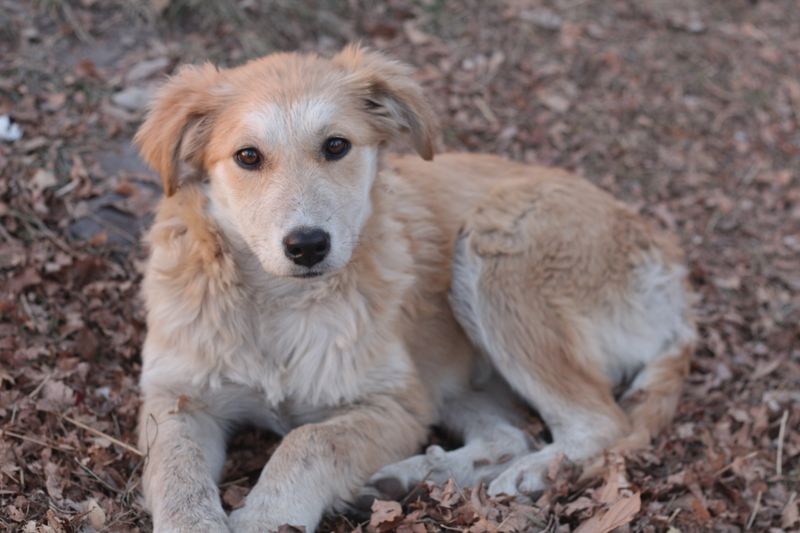
It happened on a trail with no cell service and a mile of rocky switchbacks between us and the trailhead. My shepherd mix, Otis, came up limping with a clean slice across the big pad of his front paw from a piece of broken glass someone had left on the path. Blood was running down his toes, he was refusing to put weight on it, and I was standing there with a bag of trail mix and a half-empty water bottle, no gauze, no wrap, nothing. I pulled off my sock, wrapped it around his foot as best I could, and carried a sixty-pound dog the last mile and a half like a very heavy, very unhappy backpack.
What stuck with me was not the cut, which healed fine, or the sore back I had for a week afterward. It was how thin the margin was. A bleed I could not slow, a snakebite, a dog who swallowed something sharp, any of those would have needed more than a sock, and I would have had nothing. That is the day I stopped treating a first aid kit as a packing-afterthought and started treating it as essential gear.
Why This Happens
Pet injuries are rarely dramatic at the start, and they almost always happen at the least convenient moment. Cuts from glass or rock, torn pads, bee stings, a pulled nail, a swallowed bone fragment, the everyday list is long, and it rarely waits until you are parked next to a veterinary clinic. The gap between "my dog is hurt right now" and "my dog is in front of a vet" is exactly where a first aid kit earns its place, because the goal of that gap is damage control, not diagnosis. You are trying to slow bleeding, clean a wound, stabilize something, and keep the animal comfortable until you can get real medical care.
The reason most of us are unprepared is optimistic and human: we assume the average day will stay average. So we carry nothing, and when something happens we improvise out of whatever is in our pockets, the same way I improvised out of my sock. Improvisation works sometimes and fails when it matters, because a clean wrap, a pair of blunt-nosed scissors, a thermometer, and sterile supplies are not things you can invent on the trail. The difference between an improvised sock and an actual kit is the difference between hoping and being ready.
What I Tried First — and Why It Didn't Work
My first attempt at being prepared was a plastic sandwich bag with a couple of adhesive bandages and an alcohol wipe, because that is roughly what a human travel kit looks like. It was useless for a dog. The bandages were too small for a paw, the alcohol stings on an open wound and is not what you want in one, and I had nothing to control a real bleed or to wrap a limb.
Then I bought a generic human first aid kit and assumed it would cover both of us. It was better, but it was missing the animal-specific things that matter most. No vet wrap that sticks to itself without tape on fur, no thermometer, no tick tool, no way to make a basic muzzle out of bandage material, no emergency blanket. Half the items were for cuts and burns a human gets, not the wounds and conditions a dog actually presents after a hike.
My third mistake was storing my kit at home in a tidy drawer. Which is great for a scraped paw on the kitchen floor and completely useless for the injury two miles up a trail, which is where the last one actually happened. A kit you did not bring is not a kit. That realization is what pushed me toward carrying one and keeping one in the car at all times.
What Actually Worked
What worked was buying a purpose-built pet first aid kit and then learning what was actually in it. My main kit now is the EVERLIT Pet Medic First Aid Kit, a 95-piece set built specifically for animals, and the difference from a human kit is obvious the second you open it. It has self-adhering vet wrap that clings to itself so you can secure a bandage on a furry leg without tape, gauze and pads sized for a dog, blunt scissors safe to use near skin, a tick removal tool, and the small essentials like gloves and a cold pack. This is exactly the kind of thing that turns a scary situation into a manageable one.
I keep a second, more basic kit in the car and in my hiking pack so there is always one within reach, because the injury never happens where the kit is. For that secondary setup I use the Cat & Dog First Aid Kit with Thermometer and Bandages. This one I like specifically because it includes a thermometer, and a dog's temperature is one of the few numbers that tells you something urgent, a dog that is too hot or too cold or running a fever needs a vet, and it is the kind of reading you cannot guess. Having the bandages and a way to take a temperature in a compact case that lives in the car means I am covered even when the main kit is at home.
The last piece, and the one that made the biggest difference, was learning how to use the stuff on a calm day. I spent a few minutes a week handling Otis's paws, wrapping a leg lightly with vet wrap, and getting him comfortable with me looking in his mouth and ears, always pairing it with treats. Now when something actually happens, he does not panic, and I am not learning a skill for the first time with an injured dog and adrenaline. The kit is the tool. The practice is what makes the tool work.
Dog Car Seat Cover & Booster
The full kit I keep for hikes. Self-adhering vet wrap and dog-sized supplies that actually stay on a furry leg.
Check price on AmazonDog Seat Belt & Car Hammock
The compact one that lives in my car, bandages plus a thermometer so I can check the one number that can't be guessed.
Check price on AmazonWhat I'd Tell Someone Starting Today
Build a real pet first aid kit and keep at least one in your car or pack, not just in a drawer at home. Learn the basics before you need them: how to control bleeding with pressure, how to wrap a limb with vet wrap, how to take a temperature, and how to improvise a soft muzzle from bandage material so a hurt, scared dog cannot bite you while you help it. Practice handling your dog's paws and mouth on calm days so the real moment is survivable. And know the line between "I can handle this" and "this needs a vet now", heavy bleeding you cannot stop, suspected poisoning, a bloated or unresponsive animal, a broken bone, or a snakebite all mean go, immediately.
Now every hike starts with the kit in my pack and the practice already done. I still watch Otis on the rocks like a hawk, but the difference is that if the glass finds him again, I have more than a sock.
This post may contain affiliate links. If you buy through one of them, we earn a small commission at no extra cost to you.