
My 14-Year-Old Cat Won't Let Me Near Her Mouth. Here's What Actually Helped
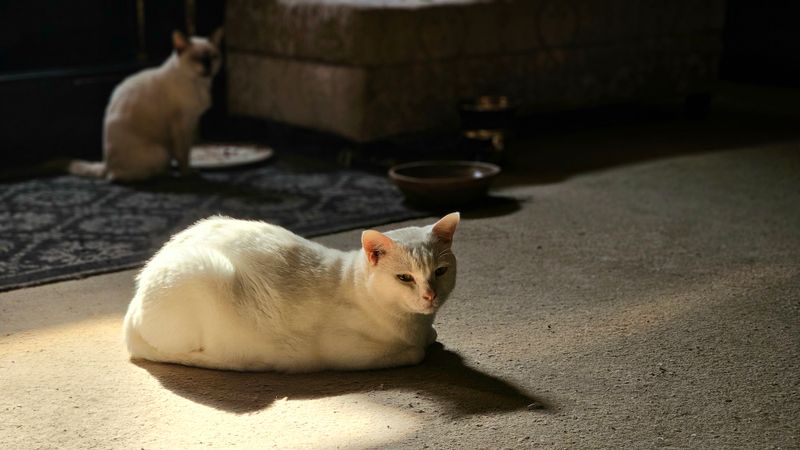
The first sign was the food bowl. Olive, my tuxedo cat, had always been a neat, enthusiastic eater, and suddenly she was leaving half her kibble and walking away with her head tilted. Then I found a wet spot on her favorite blanket where she had been drooling, and a few days later she flinched when I ran a hand along her jaw. She was fourteen. Everything about her had slowed down, so I almost wrote it off as age.
The breath is what finally made me call the vet. It had that same sweet-rotten edge I recognized from my dog's teeth years earlier, and when Olive chirped at me one morning I smelled it from across the room. The vet took one look and confirmed what I feared: significant dental disease, probably with at least one painful tooth. Then came the complication, she was fourteen with a mild heart murmur, and putting her under anesthesia wasn't a casual decision.
Why This Happens
Cats get the same plaque-to-tartar-to-periodontal-disease progression dogs do, but they have their own special brand of dental misery. One is tooth resorption, where a cat's own body dissolves the structure of a tooth from the inside out, and it is genuinely painful. Another is gingivostomatitis, a severe inflammation of the gums and mouth that can make eating agony. Senior cats are extra vulnerable, and because they hide pain so well, owners usually don't notice until the cat is already suffering.
The anesthesia question is the real trap. Vets increasingly use gentler protocols and pre-anesthetic bloodwork to make dentals safer for older cats, but many owners, including me, hesitate to book one out of pure fear. So the disease keeps progressing while everyone waits for a "safer time" that never quite arrives. Meanwhile the infection keeps working, and the cat keeps quietly hurting.
What I didn't appreciate is how much of a cat's reluctance to be handled comes down to pain. Olive wasn't being difficult about her mouth. Touching her there hurt, so she protected it. Every time I forced it, I taught her that hands near her face meant discomfort, which made the next attempt even harder.
What I Tried First — and Why It Didn't Work
I tried brushing, obviously. Every guide says to train your cat young, and I hadn't, so I paid the price. Olive tolerated about two seconds before she twisted free and hid under the bed for an hour. A senior cat with a painful mouth is the worst possible candidate for a brand-new toothbrush habit.
I tried dental treats next. She sniffed one, batted it across the kitchen floor, and walked away. Even the ones she did eat were gone in seconds, which meant almost no contact time with the tooth surfaces that needed it.
I tried a dental gel I was supposed to rub along her gums. She foamed at the mouth like I had poisoned her, then refused to come near me for the rest of the evening. I also tried a water additive, which did nothing measurable but at least didn't start a fight.
What Actually Worked
The real fix started with a conversation, not a product. My vet ran bloodwork and used a gentler anesthetic protocol, and Olive came through the cleaning fine. But anesthesia carries real risk in a senior cat, and repeated dentals aren't something you want to rely on every year, so I needed legitimate home care that didn't involve me putting a brush in her mouth.
Since she wouldn't accept a toothbrush, I gave her something to gnaw instead. I picked up the Beiker puppy chew toys, they're small and soft, sized and textured for teething puppies, which makes them a better match for a cat's back teeth than a hard dog chew that risks cracking a fragile senior tooth. Under supervision, Olive would grip one and work her molars, and I could see her getting real relief, the way a teething baby does.
I added the KONG Ring, a natural rubber chew shaped so a pet can brace it against the jaw and bite down along the surface. Its whole design is built around dental contact, and because it's tough without being brittle, it held up to her without me worrying about it shattering. She'd hook a paw through the ring, chew a while, and then nap, which, for a fourteen-year-old with a sore mouth, was a very good sign.
The rest was about not making things worse. I switched her to a softer food for the weeks around her worst flare-ups so she could eat without pain, and I stopped lifting her lip to inspect. Instead I watched the outside signals: how she chewed, which side she favored, whether she came to the bowl. Those told me what I needed to know without turning every check into a wrestling match. And I stopped being afraid to ask the vet questions about her anesthetic risk, which is the conversation that actually got her treatment moving.
Cat Dental Chews & Enzymatic Toothpaste
Small, soft, bite-sized chews that give a cat with a sore mouth something gentle to work her back teeth on. Use supervised.
Check price on AmazonFinger Toothbrush Kit for Cats
Durable natural rubber with a shape a pet can brace and bite along, built for dental contact and tough enough to last.
Check price on AmazonWhat I'd Tell Someone Starting Today
Do not let the anesthesia worry you into doing nothing. I lost months to that fear. Call your vet, ask specifically about pre-anesthetic bloodwork and their protocol for senior cats, and get a real assessment. You cannot make an informed choice about risk until you know what's actually happening in your cat's mouth, and the odds are the disease is further along than it looks.
Then accept that you may never brush your cat's teeth, and build a plan around what she will tolerate instead. Watch how she eats, not just what she eats. One-sided chewing and dropped food are the signals that count. And if your cat is drooling, pawing her mouth, or refusing food entirely, that is not a wait-and-see situation. That is a same-week vet call. Senior cats don't get healthier while the tooth stays infected.
This post may contain affiliate links. If you buy through one of them, we earn a small commission at no extra cost to you.