
My Rabbit's Late-Night Scare Made Me Realize I Wasn't Ready for an Emergency — Here's the Kit I Built
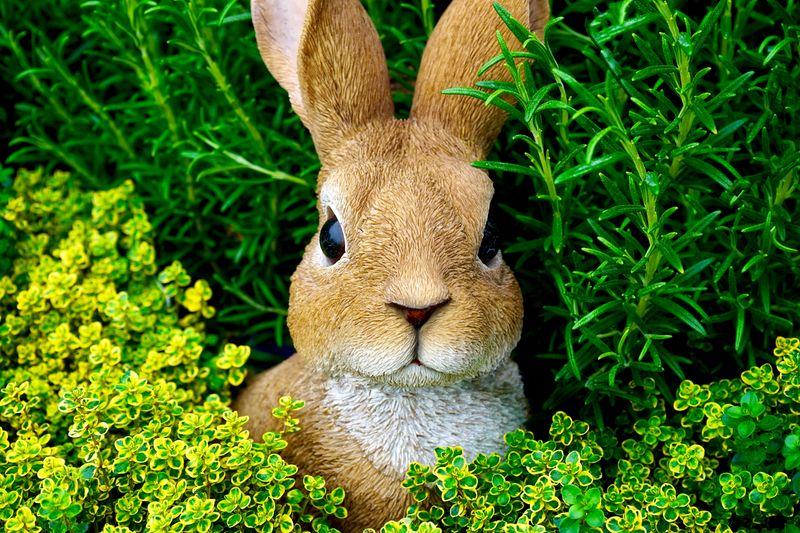
It was 11 p.m. And Biscuit was hunched in the corner of his pen, which is not how a rabbit sits when it's fine. He wasn't stretched out, he wasn't flopped, he wasn't moving. When I offered his favorite pellets he turned his head away, and when I checked his litter corner there were a few tiny, dark droppings where there should have been a healthy pile. Somewhere in the back of my mind a voice said the word "stasis," and I realized I had absolutely nothing in the house to deal with it.
I spent the next hour doing everything wrong out of pure panic. I tried to force pellets into his mouth, which he spat out. I tried to get him to run around to "get things moving," which just stressed him further. I drove to an emergency vet at midnight, and he was fine after treatment, but the whole thing exposed how unprepared I was for the one kind of pet emergency that has almost no margin for error. Small exotics go downhill fast, and an hour wasted is not a small thing.
Why This Happens
Rabbits and other small plant-eaters, guinea pigs, chinchillas, have a digestive system that must keep moving. Their gut is basically a conveyor belt powered by a constant intake of fiber, and when the belt stops, the consequences are severe and quick. This is called gastrointestinal stasis, and it's one of the most common and most dangerous emergencies in small exotics. Unlike a dog, a rabbit can't vomit up something bad; the system only moves one direction, so a blockage or a slowdown becomes a crisis rather than a bad afternoon.
The reason a rabbit goes off food is a chicken-and-egg problem. Pain, stress, a dental issue, or too many treats and not enough hay can all slow the gut. Once the gut slows, the rabbit feels worse, eats even less, and the slowdown accelerates. That's why every hour matters and why the single most important first response is getting fiber, hay, moving through the system again, while you get to a vet.
What that midnight taught me is that a first-aid kit for a small pet isn't about bandages and antiseptic; it's about buying time. The things that actually help in those first critical minutes are a supply of the animal's staple food, a way to deliver food or fluids if the vet tells you to, and the contact info and directions for a vet who will actually see a rabbit at 11 p.m. I had none of the three.
What I Tried First — and Why It Didn't Work
My first instinct was to shove pellets at him. Pellets are concentrated and, for a rabbit already in trouble, a poor choice, a rabbit mid-stasis usually won't eat them anyway, and they don't do the job hay does. He refused, and I'd stressed him for nothing.
Then I tried to "get him moving" by nudging him around his pen. Exercise can help a rabbit whose gut is just a little sluggish, but on a rabbit who is genuinely unwell, it's just added stress, and stress makes stasis worse. I was applying a vague idea from a forum to a situation that needed a vet, not a jog.
Finally I tried to make him drink by putting his water bottle right at his face. He ignored it. And I realized I didn't even know where the nearest emergency clinic that treats rabbits was, or what it would want me to bring. I had a sick animal, no supplies, and no plan, and I was improvising at the worst possible moment.
What Actually Worked
The real fix, after that night, was building a small emergency station and keeping it stocked so I would never be caught flat again. The centerpiece is hay, because in a stasis scare, getting fresh hay in front of the rabbit is both the prevention and the first line of response, and running out of hay on the one night you need it is genuinely dangerous. I now keep a dedicated, sealed emergency stash plus a working bag, so there is never a moment where I'm calling around to find an open pet store at midnight.
For the stash I use the Natural Timothy Hay for Small Animals, the sealed bag stays closed and dry in the emergency bin so it's fresh and fragrant whenever I need it, and a rabbit that's off his food will often take a fresh handful of good hay when he'll take nothing else. I keep the same Natural Timothy Hay as my everyday working supply in a second bin, topping it up as I go, so the sealed emergency bag is never the one I've been dipping into. Having two bags sounds like overkill until the night you're out of the one you thought was full, and then it's the thing that buys you those first hours until the vet sees you.
Around that hay stock I built the rest of the kit: a couple of oral syringes, a feeding formula the vet recommended, a copy of Biscuit's records and medication notes, and, the part I'd skipped before, the name, address, and after-hours phone number of a vet clinic that treats rabbits, printed and taped inside the bin lid. I also keep a small critical-care checklist, because when your heart is pounding at midnight you will not remember the steps. The kit hasn't been needed again, but knowing it's there has changed how I sleep.
Pet First Aid Kit
A sealed emergency stash of fresh hay: the single most useful thing on hand in a gut-stasis scare, kept untouched until you need it.
Check price on AmazonPet Insurance Comparison Guide
The same hay as your everyday bag, so the sealed emergency stash stays full and fresh for the night it actually matters.
Check price on AmazonWhat I'd Tell Someone Starting Today
Build the kit before you need it. Print a small card with an emergency vet that treats small exotics, its address, and its after-hours number, and tape it inside the lid of a bin you keep stocked with fresh hay, syringes, and whatever your vet recommends. The night it matters, you will not be thinking clearly enough to search for that information, and the few minutes it saves can genuinely be the difference in a stasis case.
And learn the early signs so you never get to 11 p.m. In the first place. Hunched posture, refusing food, and small or missing droppings are a red alert, not a "wait and see." If your rabbit stops eating for more than a few hours, get to a vet rather than experimenting at home, and keep offering fresh hay the whole way because that's the food that coaxes a sluggish gut back into motion. Prevention lives in that hay supply every day, in generous amounts, forever.
This post may contain affiliate links. If you buy through one of them, we earn a small commission at no extra cost to you.