
My Bearded Dragon Wouldn't Touch His Greens — Here's How I Finally Got His Diet Right
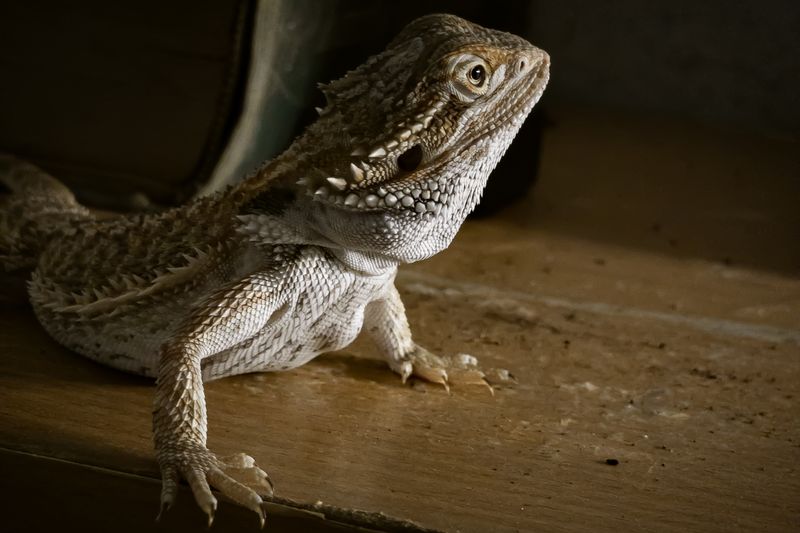
For about four months, my bearded dragon Rex ate nothing but superworms. I'd put a fresh salad in his bowl every morning, watch him ignore it completely, and then hand him worms because I couldn't stand the idea of him going hungry. The salad would wilt by noon and I'd dump it out, and the next morning we'd do the same dance. He looked fine, he was active, so I told myself it was normal, that some dragons just don't like vegetables.
The wake-up call was a vet visit for an unrelated check. She asked what he was eating, and when I listed off mostly superworms and the occasional cricket, she explained that I was slowly setting him up for real problems. And that a lot of what I thought was "feeding him well" was actually feeding him cheap. That visit changed how I shop, how I feed, and, honestly, how much I understand about the animal living in my living room.
Why This Happens
Bearded dragons are omnivores, which is the thing most new keepers underestimate. As juveniles they lean heavily on insects for growth, but as adults the balance shifts and plant matter should make up a large share of the diet. A dragon that eats only insects as an adult is a dragon heading for trouble: too much fat and protein and not enough fiber and vitamins. The irony is that the fix isn't to force salad. It 's to feed better insects, in a way that makes the greens matter.
The concept that changed everything for me is "gut-loading." Whatever an insect eats in its final day or two becomes nutrition for the dragon. A cricket or a dubia roach packed full of fresh greens is basically a vitamin capsule with legs. If you feed your dragon insects that are themselves fed on cheap dry chow, you're passing along almost nothing. So the quality of the greens I fed my feeder insects turned out to move the needle on Rex's health more than the bowl of salad he was refusing ever did.
There's also a behavioral piece. A dragon offered salad all day long, after he's already full, has zero motivation to try it. But a dragon that's genuinely hungry in the morning, before he's had any insects, will often sample greens out of plain curiosity. The order you offer food in matters as much as what you offer, and I had the order completely backwards for months.
What I Tried First — and Why It Didn't Work
My first approach was just buying better-looking salad and piling it higher. That did nothing. A dragon that isn't hungry ignores a beautiful salad exactly as fast as a wilted one.
Next, I tried mixing in a couple of worms with the greens so he'd "accidentally" eat some plants. He was too good at picking out the worms and leaving the rest untouched. It was a party trick for him, not a diet change.
I also leaned hard on crickets because they were cheap, and I skipped dusting them with calcium more often than I admitted. Cheap, un-gut-loaded crickets are one of the least nutritious things you can feed a dragon, and running calcium-light is a recipe for bone problems. I was penny-wise and health-foolish, and I only understood how much once the vet explained it.
What Actually Worked
Two changes fixed Rex's diet. The first was switching the staple insect to dubia roaches and actually gut-loading them properly, which meant I needed a reliable, constant supply of fresh greens for the roaches to eat in the day or two before they got fed to Rex. The second was reordering the day: greens first, in the morning, when he's hungry and curious, insects later.
To keep the insects loaded, I started growing my own greens instead of buying a bag that went bad before the roaches could finish it. I set up the Terrarium Kit with succulents and indoor plants as a small, self-contained green station and planted quick-growing leafy greens and herbs in it, harvesting a handful each day to feed the roach bin. Having live, fresh greens continuously on hand meant the feeder insects were always gut-loaded, and it also gave me something to offer Rex's salad bowl that was fresher and more appetizing than grocery-store produce that had been sitting for a week.
I added the Maxdot Glass Terrarium Kit with the built-in LED grow light for the same reason, the light extends the growing season indoors, so I'm not depending on a sunny window to keep the green feed coming through winter when the roaches still need fresh material. Between the two setups I always have greens ready, which quietly removed the excuse I used to ignore gut-loading. Once the insects were genuinely nutritious and the greens hit the bowl before the bugs did, Rex started eating salad within a couple of weeks. Not every day, and not with enthusiasm, but the pattern flipped, and his droppings, activity, and shedding all improved along with it.
I still dust the insects with calcium and still run a proper heat and UVB gradient, because none of the diet work matters without correct lighting and temperature for a dragon to digest and use it. But the diet was the missing piece, and it came down to better insects, better greens, and better timing.
Reptile UVB Lighting & Heat Kit
A self-contained green station for fast-growing leafy greens, harvest a handful daily to gut-load your feeder insects properly.
Check price on AmazonReptile Terrarium Thermometer & Hygrometer
Same idea with a built-in grow light, so your fresh green feed keeps coming through the winter when windows go dim.
Check price on AmazonWhat I'd Tell Someone Starting Today
Start thinking of your feeder insects as vitamin capsules, not snacks. Whatever they eat before your dragon eats them is what your dragon gets, so gut-load them with fresh greens and don't feed them cheap dry chow and expect your dragon to thrive. Switch the staple insect off superworms and onto something like dubia roaches, and dust with calcium on a real schedule instead of whenever you remember.
Then get the order of the day right: greens in the bowl, first thing, before any insects, while your dragon is actually hungry. Offer a small, fresh amount daily rather than a giant pile that wilts, and be patient, mine took weeks, not days. And make sure your heat and UVB are correct, because a dragon that can't digest or use the food properly will look the same no matter how good the salad is.
This post may contain affiliate links. If you buy through one of them, we earn a small commission at no extra cost to you.