
My Leopard Gecko Got Fat and Lazy. Here's How I Finally Got His Weight Back Under Control
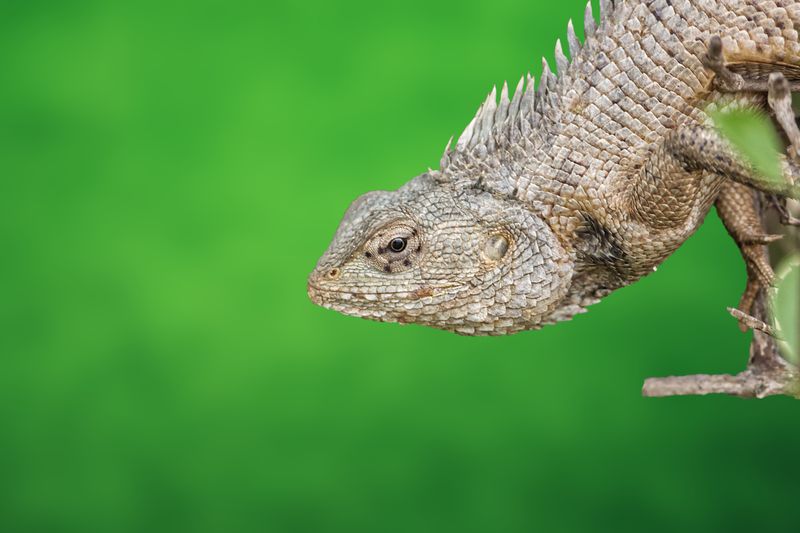
I noticed it in his tail first, which is exactly where you'd expect me to notice it too late. Geckos store fat in their tails, and my leopard gecko Sunny's tail had gone from a healthy, plump taper to something thick and droopy, like a carrot that had been left in water. Around the same time he stopped hunting. I'd drop insects in and he'd just watch them walk past. He'd sleep through his usual evening activity, and his little belly was dragging on the substrate when he did move. I told myself he was just getting older. He was getting fat, and it was my fault.
The thing is, I thought I was being a good owner. I kept his bowl topped up so he'd never be hungry, and I gave him waxworms as a treat because he loved them and they made me feel loved back. It took a photo comparison against a leo care guide to make me see that "happy and well-fed" had quietly become "obese and sedentary," and that those were not the same thing at all.
Why This Happens
Leopard geckos evolved in an environment where food is scarce and irregular, so their bodies are built to store fat in the tail and go long stretches between meals. That's a survival feature, and in captivity it becomes a trap. A gecko with constant access to food will eat far more than it needs, because the part of its brain that says "eat when food is available, you might not find more for a week" doesn't know it lives in a tank with a full bowl. Add high-fat treats like waxworms on top, and you get an animal that stores fat faster than it can burn it.
Why is a fat gecko a problem? The fat goes not just to the tail but around the organs, and obese reptiles are prone to fatty liver disease, poor digestion, and shedding problems, including retained shed on the toes and around the eyes, which can cause real damage. An overweight gecko also moves less, which makes everything worse: less activity means fewer calories burned, and the cycle compounds. It's the exact same dynamic as an overweight cat or dog, just scaled down and wearing a smile.
The reason "free-feeding" causes this is that a gecko has no brake pedal. Hunting a live insect takes effort, but eating from a bowl where the food can't escape takes almost none, so a bowl-fed gecko can rack up calories with zero energy expenditure. Portion control for a reptile isn't about spoiling them or being stingy. It's about recreating the irregular meals their biology expects, so a healthy amount is a full meal and not an endless buffet.
What I Tried First — and Why It Didn't Work
My first mistake was continuing to free-feed but switching to "healthier" insects, thinking the type of bug was the issue. It wasn't, the amount was. He still overate, just with slightly better food, and the tail didn't change.
Then, in a burst of resolve, I cut his food way down all at once. He went on a hunger strike, refused everything, and I panicked and overfed him again to get him eating. Crash dieting a reptile doesn't work any better than crash dieting a person, and the rebound put him right back where he started.
For a while I also kept the bowl full "just in case," because seeing an empty food bowl made me anxious. That was the single biggest cause of the whole problem, and it took me embarrassing weeks to admit that my own discomfort, not his hunger, was driving the feeding.
What Actually Worked
The fix was switching from bowl-feeding to controlled hand-feeding with a set schedule. I got the OLIISS Iridescent Reptile Feeding Tongs with rubber tips and started delivering each insect individually. That sounds fussy, but it changed everything: I could count exactly what he ate, stop at the right number, and make him actually work for each one by tracking the insect with his eyes and striking at it. A gecko that has to hunt is a gecko that's moving and thinking, and the tongs let me turn feeding into a controlled activity instead of a calorie free-for-all. The soft rubber tips also mean I never risk nicking his mouth if he misses a strike.
I put him on a schedule (a measured number of appropriately sized insects every few days, with waxworms knocked out entirely for a while, and I stuck to it even when I felt guilty. That was the whole game: measure the food, make him work for it, and let the tail do its thing over months rather than days. Reptile metabolisms are slow, and both gaining and losing weight happens on a timescale of weeks and months, not days.)
The second half was giving him more reason to move. I upgraded his enclosure to the Acrylic Terrarium, Magnetic Mini & Nano Enclosure, built for reptiles, and set it up with a proper heat gradient and a little more floor space and clutter to explore. More usable space and a hotter basking spot meant he had somewhere to go and something to do, and a reptile with a correct temperature gradient digests and moves better than one crammed into a bare box. Over about four months his tail slimmed back toward a healthy taper, he started coming out to hunt again, and the lazy evenings turned back into actual activity.
Reptile UVB Lighting & Heat Kit
Hand-feed one insect at a time so you can measure the portion, keep a gecko hunting, and never overfeed from a bowl again.
Check price on AmazonReptile Terrarium Thermometer & Hygrometer
More usable space, a proper heat gradient, and clutter to explore, giving an overweight gecko a reason to move again.
Check price on AmazonWhat I'd Tell Someone Starting Today
Stop free-feeding. If your gecko's food can't escape, it will eat past what it needs, and you'll never notice the weight creeping onto the tail until it's obvious. Feed a measured number of appropriate insects on a real schedule, hand-feed with tongs so you're tracking each one, and cut the waxworms way back, they're candy, not dinner.
Judge weight by the tail, since that's where your gecko stores its fat, and compare against a healthy reference instead of judging by feel. If the tail has gone thick and rubbery, that's your cue, not the scale. Then give your gecko somewhere to move, plenty of room, a correct heat gradient, and clutter, and be patient, because reptile weight loss takes months. And if your gecko is showing retained shed, difficulty moving, or stops eating entirely during a diet change, get a reptile vet involved rather than guessing.
This post may contain affiliate links. If you buy through one of them, we earn a small commission at no extra cost to you.