
I Almost Gave My Beginner Tortoise Soft-Shell Disease — The UVB Bulb Was What I Was Missing
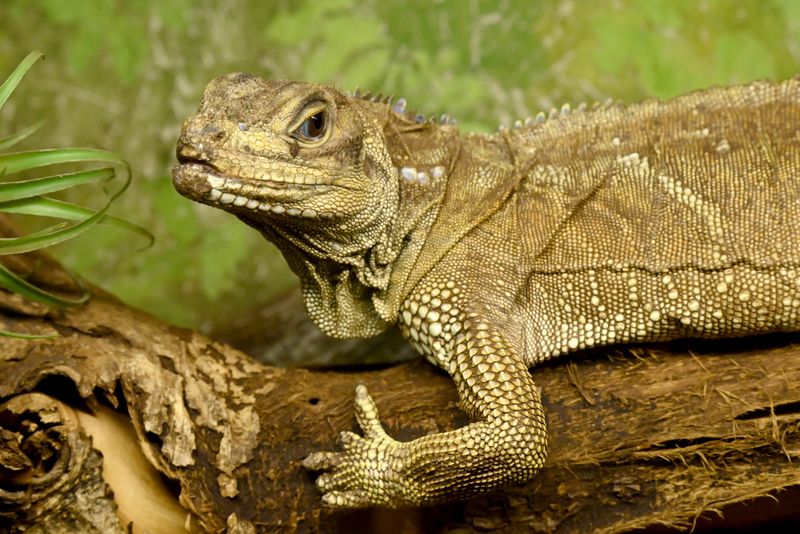
I bought my first tortoise, a little hatchling, at a reptile show, which is a sentence that should come with a warning label. I had a glass tank, a heat lamp, and about four hours of googling behind me, and I felt like an expert. Within a few weeks he was sluggish, sleeping through most of the day, eating almost nothing, and his eyes looked a bit puffy. The edges of his shell felt softer than they should have. I told myself he was just settling in. He was not settling in. He was slowly developing a condition that, at its worst, leaves reptiles with deformed shells and bones, and the fix was one thing I had completely failed to buy: a UVB bulb.
Here is the part that stings in hindsight. I thought a heat lamp was the whole story. One warm lamp, a nice tank, done. Nobody had explained to me that heat and sunlight do two completely different jobs for a reptile, and that skipping the sunlight job is not a minor mistake. It is the mistake that kills beginner reptiles.
Why This Happens
Reptiles need calcium for strong bones and a solid shell, but calcium only does its job if the animal can actually absorb it, and that absorption depends on vitamin D3. Most reptiles cannot make enough D3 from their diet alone. They synthesize it in their skin using UVB light, the same band of ultraviolet light that makes humans produce vitamin D. No UVB, no D3. No D3, no calcium absorption, no matter how much calcium is in the food. The calcium just passes through while the body pulls what it needs from the animal's own bones and shell.
That is metabolic bone disease, and it is the single most common and most preventable problem in captive reptiles. It starts quietly with a lethargic, off-food animal, which is exactly what I mistook for normal settling. As it progresses the shell softens, the jaw can go rubbery, limbs can bow and twitch, and in a young, growing reptile it can become permanent or fatal. The cruel part is that it is slow enough to ignore and severe enough to matter, so inexperienced keepers like me wave off the early signs for weeks.
Two more pieces trip up almost every beginner. First, a basking heat lamp provides warmth but not UVB, and warmth without UVB does not address the calcium problem at all. Second, UVB does not pass through glass or plastic, so a tank sitting in a sunny window gets light but not the UVB the animal needs. And a UVB bulb itself wears out. The light you see stays bright while the UVB output fades over months (so a bulb that looks fine can already be doing nothing. Those three things together are why so many beginners end up in exactly the situation I did.)
What I Tried First — and Why It Didn't Work
My original setup was a heat lamp and nothing else. It kept him warm, and I assumed warm equaled healthy. It does not. Warmth supports digestion and activity, but without UVB the calcium piece was broken from day one, and I was essentially running half a habitat.
My next attempt was to slide the tank next to a window and crack the curtain, reasoning that real sunshine beats a bulb. It does not help, because standard window glass filters out the UVB band entirely. He was sitting in visible light that felt like sun to me and did almost nothing for him. I had created the illusion of sunlight, which is worse than no attempt, because it made me stop worrying.
My third mistake was buying the cheapest UVB bulb I could find and never replacing it. It worked for a while, sort of, and then it quietly stopped emitting meaningful UVB even though it still glowed. I had no idea UVB bulbs needed regular replacement, so I ran a dead bulb for months and blamed myself for not understanding why he was still declining. Everything I tried addressed the wrong half of the problem.
What Actually Worked
The real fix started with a proper UVB bulb and fixture, set up correctly. I learned that placement matters as much as the bulb: the light has to reach the tortoise with nothing between them, so I mounted it so the beam hits his basking spot directly instead of shining through a screen top, which blocks a chunk of the UVB. I matched the bulb to the animal and the distance it is designed for, and I put both the UVB and the heat source on a timer on a real day-night cycle so his body had a routine to work with. A reptile UVB setup is not expensive, and it is the difference between a tortoise that grows properly and one that does not.
The second piece was pairing the UVB with calcium in the diet. UVB lets the body use calcium, but the calcium still has to be there, so I started dusting his food with a calcium supplement designed for reptiles on a schedule rather than guessing. Between the light and the calcium, the two halves of the bone-and-shell equation were finally both in place. I also added a proper temperature gradient, a hot basking zone at one end and a cooler zone at the other. So he could regulate his own body temperature the way a reptile is built to, instead of being stuck at one ambient temperature all day.
The change was not instant, because bone and shell recovery is measured in months. But within a few weeks he was eating again, moving around, and basking with his eyes open. The soft edge on his shell firmed up over time as the calcium started going where it belonged. I also got in the habit of marking the UVB bulb change date on my calendar, because the output fades long before the glow does, and a fresh bulb every several months is cheap insurance against a problem I never want to cause again.
Reptile UVB Lighting & Heat Kit
The single most important piece for a tortoise's shell and bones, UVB lets the body absorb calcium, and it has to shine with nothing in the way.
Check price on AmazonReptile Terrarium Thermometer & Hygrometer
The other half of the equation, UVB and calcium work together, so dust the food on a real schedule, not on a guess.
Check price on AmazonWhat I'd Tell Someone Starting Today
If you are setting up for a tortoise or any sun-loving reptile, budget for a proper UVB bulb and fixture before you buy anything else, put it on a timer, and replace the bulb on a schedule even though it still lights up. Pair it with a calcium supplement, give the animal a real heat gradient so it can thermoregulate, and never count on a window for UVB, because glass blocks it. Learn the early warning signs. Lethargy, going off food, puffy eyes, a shell that feels soft at the edges. And treat them as urgent rather than as normal settling.
My hatchling is now a sturdy adolescent with a shell that is hard the way it should be, and it cost me one bulb to get him there. I only wish I had bought it on day one instead of three months in.
This post may contain affiliate links. If you buy through one of them, we earn a small commission at no extra cost to you.