
I Refilled the Hummingbird Feeder Every Week and Nothing Came. Here's What Was Wrong
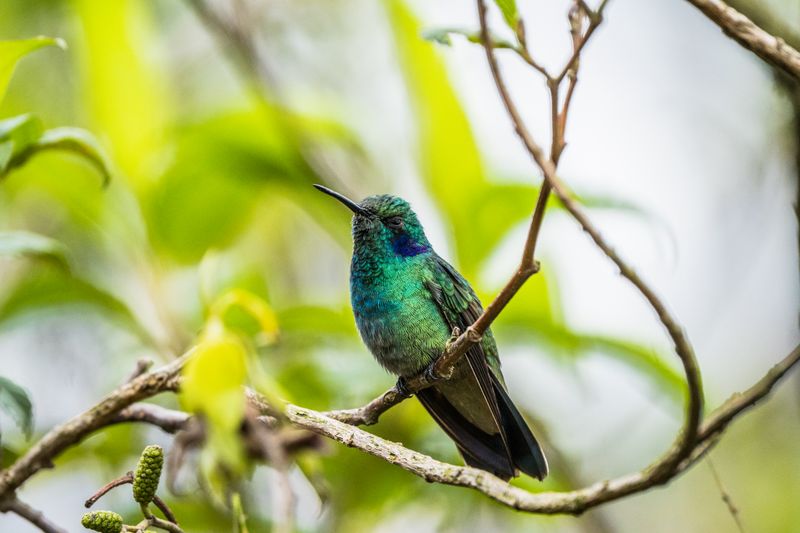
I hung my first hummingbird feeder in the spring, filled it with the bright red nectar from a bottle at the store, and waited for the little jewels to arrive. I refreshed it every week like clockwork for a month. Nothing came. Not one hummingbird, not even a curious pass. Meanwhile my seed feeder out front was a zoo. Cardinals, finches, a woodpecker, and an entire extended family of squirrels who treated it like a drive-through window. I could not understand why the seed birds came in droves and the hummingbirds ignored me completely.
I also hung the hummingbird feeder right beside that busy seed feeder, because that seemed tidy, and I later learned that was nearly the exact wrong thing to do. The fix for my empty hummingbird feeder was not more nectar or a fancier feeder. It was understanding what hummingbirds actually want, and it was understanding why the birds at my other feeder were not coming either, because the same squirrel problem was quietly wrecking the whole station.
Why This Happens
Hummingbirds are not like seed-eaters, and nectar does not work like birdseed. A hummer needs an energy source it can find reliably and sip from, which means the nectar has to be fresh, the feeder has to be visible and approachable, and the location has to be somewhere the bird feels safe. The store-bought red nectar I was using was likely the first problem. Those products often contain red dye, which is unnecessary and not something a hummingbird needs, and some are just sugar water with coloring. The simple, correct nectar is one part plain white sugar to four parts water, no dye, no honey, no brown sugar, mixed fresh. Hummingbirds find the feeder by the red on the feeder itself, not by the color of the liquid.
The second problem was freshness and spoilage. Nectar ferments quickly in warm weather, and a feeder that sits with old or cloudy nectar is not just unappealing, in heat it can grow mold that is genuinely harmful to the birds that do visit. A feeder you fill weekly and forget is a feeder that spends most of its time either spoiled or empty. Hummingbirds are creatures of habit once they find a reliable source, but they will abandon an unreliable one fast.
Then there is the placement, which is where my real mistake lived. Hummingbirds are territorial and they are wary of crowds and of activity; they want a quiet, open sightline with somewhere nearby to perch and stage. Hanging their feeder beside a busy seed station swarming with bigger birds and squirrels meant it sat in the middle of a noisy, high-traffic zone. And the deeper issue is that the busy station was busy in the wrong way: the squirrels were dominating it, knocking seed to the ground, and drawing all the activity to that spot. A squirrel-proof feeder stops that, which calms the whole station, keeps the seed for the birds instead of the rodents, and gives the hummingbird feeder a chance to sit in peace the way a hummer needs.
What I Tried First — and Why It Didn't Work
My first move was to buy the reddest nectar I could find, convinced the color was the ticket. It was not. The dye does nothing for the birds, and coloring does not fix stale nectar or a bad location. I was shopping for gimmicks when the bird wanted sugar water and quiet.
Then I tried adding more feeders, three of them, scattered around the yard, on the theory that more chances meant more birds. All three sat untouched, because the underlying problems, spoiled nectar and busy placement, applied to all of them equally. More of the same wrong thing is still the wrong thing.
The third thing I tried was hanging the hummingbird feeder near my big seed feeder for "convenience," thinking one busy area would naturally attract everything. That was the opposite of what hummingbirds want, and it put the fragile feeder directly in squirrel and crowd central. I had built the noisiest possible neighborhood and wondered why the shy tenant never moved in.
What Actually Worked
The first fix was getting the nectar right. I switched to plain white sugar and water at one part sugar to four parts water, no dye, mixed fresh, and I started changing it every couple of days in warm weather and cleaning the feeder thoroughly so nothing grew inside. The moment I made nectar the simple, correct way and kept it fresh, the whole proposition changed, it went from an artificial, dyed, stale liquid to exactly what a hummingbird is built to drink.
The second fix was the feeder itself, and then the placement. I got a proper hummingbird feeder with red on the body so the birds could find it, and I hung it in a quiet, open spot away from the busy seed station, with a branch nearby to perch on and a clear approach path. Hummingbirds need to feel safe coming in, and a calm, visible spot with quick escape beats a crowded corner every time.
The third fix was cleaning up the seed station, and this is where squirrel-proofing did double duty. The squirrels had turned the seed feeder into chaos, and that chaos was polluting the whole yard's feeding atmosphere. Switching to a squirrel-proof feeder, a weight-activated design that lets birds feed but closes out anything heavy enough to be a squirrel, ended the raiding, kept the seed for the birds, and cut the constant flush of activity that was scaring off the more cautious visitors. Once the station settled, the hummingbird feeder in its quiet corner was finally somewhere a hummingbird could approach without a squirrel or a crowd interfering. The feeder was never the problem on its own. The yard around it was.
It took about two weeks of correct nectar and a calmer yard before the first hummingbird found the feeder, hovering, checking, sipping. That first visitor became regulars, and regulars became a summer of them. All it took was making the nectar right, keeping it fresh, and giving the yard a reason to be peaceful again.
Bird Feeder
Weight-activated so squirrels get shut out and the seed stays for the birds. It calmed my whole feeding station.
Check price on AmazonBird Seed & Feeder Station
A simpler squirrel-deterring feeder if you want to stop the raiding without the full cage design.
Check price on AmazonWhat I'd Tell Someone Starting Today
Make hummingbird nectar the simple way, one part plain white sugar to four parts water, no dye, no honey, and keep it fresh, changing it every couple of days in the heat and scrubbing the feeder so nothing grows. Hang it in a quiet, open spot with a perch nearby, not next to the busiest part of the yard. And if your seed feeder is under squirrel siege, fix that too, because a chaotic, raided station drives off the cautious birds you are trying to attract. Then be patient. Hummingbirds follow reliable nectar and calm spaces, and once they find you, they come back.
My feeder is a busy little perch now, all summer. The red dye did nothing. The sugar water, the freshness, and the quiet did everything.
This post may contain affiliate links. If you buy through one of them, we earn a small commission at no extra cost to you.